
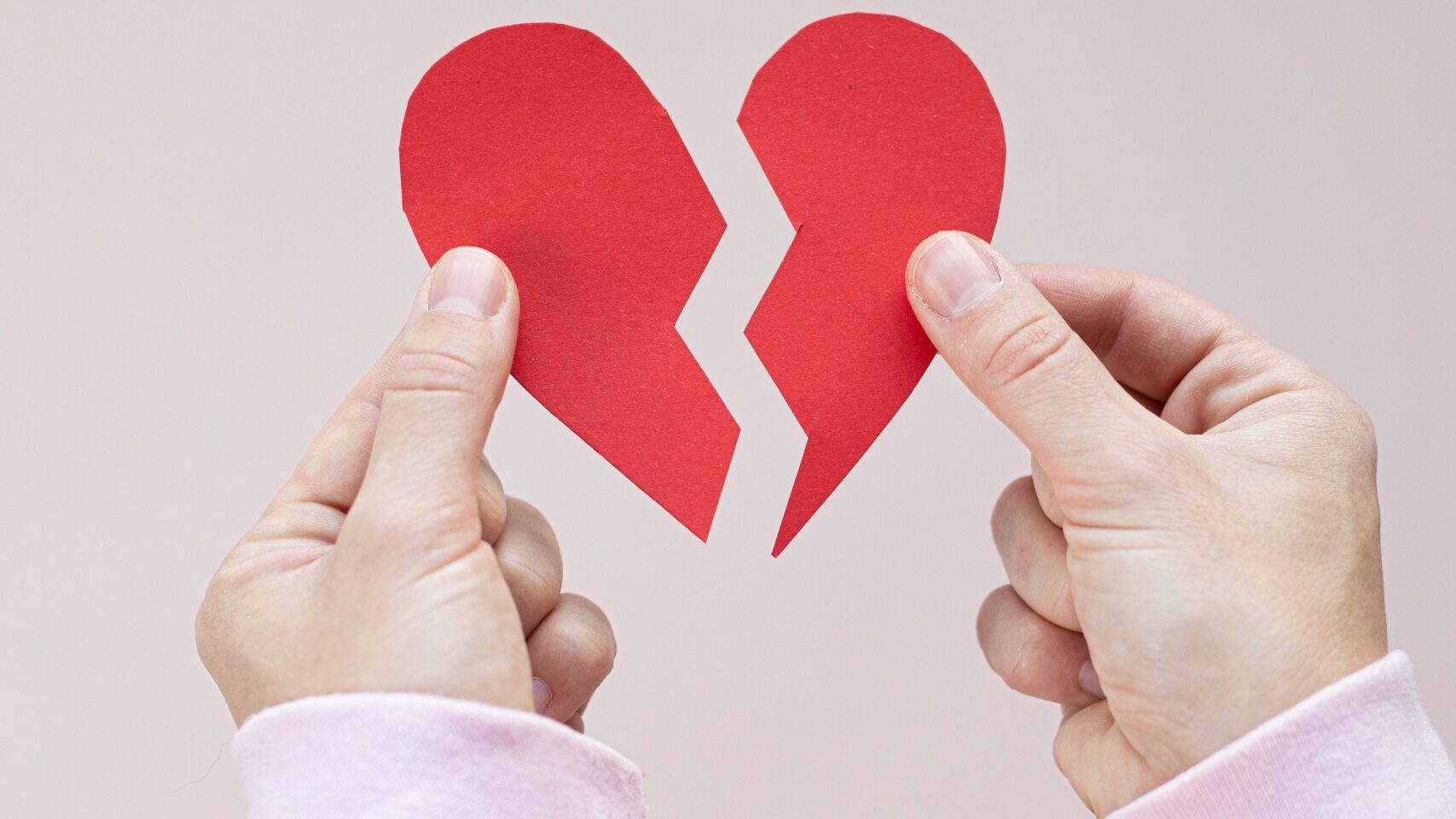

Romantic breakups are widely recognized as painful life transitions, but friendship breakups often receive far less attention. There are no cultural scripts for ending a friendship. No conversations about “conscious uncoupling,” no sympathy cards, and often no acknowledgment that losing a friend can be just as heartbreaking as the end of a romantic relationship.
Yet friendships are deeply meaningful relationships. They shape our identity, provide emotional support, and witness different chapters of our lives. When a friendship no longer feels healthy or fulfilling, many people struggle with guilt, confusion, or uncertainty about what to do next.
Not every friendship is meant to last forever. People change. Circumstances change. Sometimes relationships evolve alongside us, and sometimes they don’t. Letting go of a friendship does not necessarily mean someone is a bad person, or that the relationship was a failure. It may simply mean that it no longer serves both people in the way it once did.
When You’ve Simply Grown Apart
One of the hardest friendship endings is when no one has done anything wrong.
Perhaps one friend is getting married and having children while the other is embracing a child-free lifestyle. Maybe one person has become deeply religious while the other has become more secular. Political beliefs, lifestyles, priorities, and interests can all shift over time. Sometimes conversations that once flowed effortlessly now feel forced, and spending time together begins to feel more like an obligation than something you genuinely enjoy.
This kind of loss can be particularly confusing because there isn’t a clear “reason” to point to.
Many people stay in friendships out of history alone. They’ve known each other for years. They feel loyal. They don’t want to hurt the other person.
But history is not always enough to sustain a relationship.
It’s okay to acknowledge that you’ve become different people. Appreciating what a friendship once gave you does not obligate you to continue it indefinitely.
When Trust Has Been Broken
Sometimes a friendship ends because of a specific event.
A friend may have shared something you told them in confidence. They may have repeatedly dismissed your feelings, spoken negatively about you behind your back, lied to you, or failed to show up during moments when you truly needed them.
Trust is the foundation of any close relationship. Once it has been damaged, rebuilding it requires genuine accountability, consistent behavioral change, and mutual willingness to repair the relationship.
Forgiveness and reconciliation are not the same thing.
You may eventually forgive someone while still recognizing that the friendship no longer feels emotionally safe. Choosing not to continue a relationship after repeated hurt is not vindictive. It can be an act of self-respect.
When the Friendship Becomes One-Sided

Healthy friendships involve reciprocity. This doesn’t mean everything has to be perfectly equal, but over time both people generally contribute care, effort, and support.
If you consistently find yourself initiating every conversation, offering emotional support without receiving it, accommodating their schedule while yours is ignored, or feeling emotionally drained after every interaction, it may be worth asking yourself whether the friendship still feels mutual.
Sometimes people go through seasons where they have less to give, and compassionate friendships allow room for that. But if the imbalance has become the defining feature of the relationship, it’s reasonable to reconsider whether the friendship is meeting your emotional needs.
When Your Values No Longer Align
Differences don’t automatically end friendships. Healthy relationships can absolutely exist between people who vote differently, practice different religions, or have different personalities.
However, some differences speak to core values.
Perhaps your friend frequently makes racist, sexist, homophobic, transphobic, or ableist remarks. Maybe they consistently disrespect boundaries, manipulate others, or treat people with cruelty. Perhaps you’ve spent years making excuses for behavior that increasingly conflicts with the person you’re trying to become.
As we grow, our standards for relationships often evolve as well.
Ending a friendship because someone’s values fundamentally conflict with your own isn’t about demanding perfection. It’s about recognizing that close relationships influence us, and it’s okay to choose relationships that reflect the values you want to cultivate in your own life.
Do You Need to Have a Conversation?
One of the most common questions people ask is whether they owe the other person an explanation.
The answer depends on the situation.
If this was a meaningful, long-term friendship and there has been no abuse or safety concern, having an honest, respectful conversation can provide clarity and closure. While these conversations may be uncomfortable, they also honor the significance of the relationship.
You don’t need to present a long list of grievances or convince the other person to agree with your perspective. Instead, focus on your own experience.
You might say:
“I’ve been reflecting on our friendship, and I feel like we’ve grown in different directions. I care about you and appreciate the years we’ve shared, but I don’t think this friendship feels like the right fit for me anymore.”
Or:
“I’ve struggled to move past what happened. While I appreciate the apology, I’ve realized I no longer feel able to continue the friendship in the same way.”
Not every conversation will end neatly. The other person may disagree, become defensive, or feel hurt. Their reaction is theirs to manage. Your responsibility is simply to communicate respectfully and honestly.
Is It Ever Okay to Slowly Let the Friendship Fade?
Sometimes, yes.
Not every friendship requires a formal breakup.
Acquaintances, casual friendships, or relationships that have naturally become infrequent may simply fade over time through less frequent contact. This often happens organically as people’s lives become busier or their interests diverge.
However, intentionally “ghosting” someone with whom you’ve shared a close, emotionally significant friendship can leave lasting confusion and unresolved hurt. Unless you’re ending contact for reasons of safety or emotional well-being, a brief conversation is often kinder than disappearing without explanation.
Coping with the Grief
Even if ending the friendship was the healthiest decision, grief is still a normal response.

You may miss the version of the friendship that once existed. You may second-guess yourself, remember the good moments, or wonder whether you were too harsh.
These feelings don’t necessarily mean you made the wrong decision.
Grief often reflects the importance of the relationship, not the necessity of continuing it.
Allow yourself to acknowledge both truths at once: that this friendship mattered deeply, and that it may no longer be right for your life today.
Moving Forward
Ending a friendship is rarely easy. It asks us to hold compassion alongside boundaries, gratitude alongside disappointment, and love alongside acceptance.
Not every friendship is meant to last forever. Some people accompany us through a particular season of life, helping us become who we are before our paths naturally diverge. Others teach us important lessons about trust, boundaries, or the kinds of relationships we want to cultivate moving forward.
Choosing to end a friendship doesn’t erase the good memories or invalidate what the relationship once meant. It simply acknowledges that healthy relationships should be built not only on shared history, but also on mutual respect, trust, and compatibility in the present.
Sometimes the kindest thing we can do (both for ourselves and for the other person) is to allow the relationship to end with honesty, dignity, and compassion.
Seek An Individual Therapist at Yellow Chair Collective in Los Angeles or New York
If you are seeking therapy specifically tailored to your needs, consider reaching out to the therapists at Yellow Chair Collective. We understand that there may be unique contextual factors that may influence your experiences.
At our Los Angeles, CA, and New York City, NY-based therapy practice, we have many skilled, trauma-informed, and culturally sensitive therapists who can provide an empowering therapeutic experience. For your added convenience and simplicity, we offer online therapy for anyone in the state of California or New York. We know that navigating your mental health journey can be challenging, and we want to support you along the way. Follow the steps below to begin.
- Fill out the contact form to get connected with us.
- Get matched with one of our culturally sensitive therapists.
- Start the next step in your healing journey today.
Other Services at Yellow Chair Collective
There are many options for treatment using online therapy in California and New York, it just depends on what you’re needing. And while we certainly service Asian American folks, we also work with individuals from other cultures, too. So, whether you’re needing support in overcoming anxiety, burnout, trauma, or PTSD, we can help. Likewise, we serve teens and couples in need of support, too. So when you start online therapy with us, you can bring your whole self, including past struggles, cultural impacts, and more.