Anger is a normal human emotion, but in many Korean families, it is often treated as something dangerous, disrespectful, or shameful. At the same time, many Korean and Korean American individuals grow up carrying intense pressure, emotional suppression, resentment, grief, and unspoken pain. This contradiction is part of why the term “K-rage” has gained attention in recent years.
“K-rage” is not a clinical diagnosis. Rather, it is a cultural term often used to describe intense anger, emotional outbursts, emotional rigidity, or simmering resentment that can build after years of suppressing emotions. While these experiences can exist across many Asian cultures and immigrant families, the “K” specifically refers to Korean cultural and historical experiences that uniquely shape how anger, suffering, and emotional endurance are often understood.
What is Han?
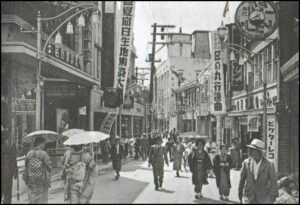
Part of the emotional foundation associated with K-rage is the Korean concept of han (한). Han is difficult to translate directly into English, but it is often described as a deep, collective feeling of sorrow, injustice, grief, resentment, endurance, and unresolved pain. Many scholars and cultural writers describe han as something shaped by centuries of hardship, including foreign invasions, the Japanese occupation of Korea, the Korean War, family separation, authoritarian rule, poverty, and rapid modernization. For many Koreans, these experiences did not simply disappear with time. The emotional impact was often carried silently across generations.
The Immigrant Family Experience
Many Korean immigrant families also endured enormous sacrifice while adapting to life in the United States. Financial hardship, racism, language barriers, pressure to succeed, and survival-based parenting often left little room for emotional expression. Vulnerability may have been viewed as impractical, unsafe, or self-indulgent when survival and stability were the priority.
As a result, many Korean and Korean American children grow up learning to tolerate distress quietly, avoid burdening others, prioritize family harmony, suppress vulnerable emotions, and maintain external composure. Emotions such as sadness, fear, disappointment, loneliness, or shame may not feel safe to express openly. Over time, anger can become the only emotion that finally breaks through.
K-rage may show up in different ways, including:
- Emotional shutdown followed by sudden explosions
- Chronic irritability or resentment
- Passive-aggressive communication
- Harsh self-criticism
- Feeling emotionally flooded during conflict
- Difficulty expressing vulnerability without anger surfacing
- Perfectionism, pressure, or emotional rigidity
- Physical tension, headaches, insomnia, or stress-related symptoms
Hwabyeong – A Physiological Manifestation of Historical Anger and Grief

In Korean culture, there is also a concept known as hwabyeong (화병), sometimes translated as “fire illness” or “anger syndrome.” Hwabyeong is recognized as a culture-bound syndrome associated with the long-term suppression of anger, grief, and emotional distress. Symptoms can include chest tightness, insomnia, anxiety, panic, depression, chronic stress, or feelings of emotional pressure building internally. While not everyone experiencing anger or emotional suppression has hwabyeong, the concept reflects how deeply emotional restraint has historically been embedded within many Korean cultural experiences.
For many people, anger is not the primary emotion underneath the surface. Often, rage is covering deeper feelings such as grief, shame, helplessness, fear, rejection, loneliness, exhaustion, or emotional invalidation. This can be especially true for Korean Americans navigating bicultural identity, intergenerational conflict, racism, family obligation, achievement pressure, and the expectation to remain emotionally composed despite overwhelming stress.
The Tension of Conflicting Values
Many Korean Americans also experience tension between collectivistic cultural values and more individualistic Western norms around emotional expression, boundaries, and identity. Some individuals may feel guilt for prioritizing their own needs, speaking openly about mental health, or setting boundaries with family members. Others may feel trapped between honoring their cultural upbringing while also recognizing the emotional costs of silence and suppression.
Suppressing emotions does not make them disappear. Often, the body and mind continue carrying that emotional stress through anxiety, tension, depression, burnout, irritability, emotional numbness, or relationship conflict. Anger can become the nervous system’s signal that something internally has gone unaddressed for too long.
What Healing Can Look Like
Healing from K-rage does not mean eliminating anger altogether. Anger itself is not inherently unhealthy. In many cases, it carries important information about boundaries, unmet needs, injustice, emotional exhaustion, or unresolved pain. The goal is not to stop feeling anger, but to understand it, regulate it, and express it without shame or harm.
Healing may involve:
- Learning to recognize emotions earlier
- Understanding family, cultural, and historical patterns
- Processing intergenerational trauma and grief
- Developing healthier communication skills
- Practicing boundaries without overwhelming guilt
- Building emotional regulation and self-compassion
- Learning that vulnerability and strength can coexist
For many Korean and Korean American clients, therapy can become a space to explore experiences that may have never felt fully acknowledged elsewhere. Culturally responsive therapy can help individuals examine how Korean cultural values, immigration experiences, family dynamics, intergenerational trauma, and identity struggles shape emotional life and relationships.
Final Thoughts
The emotional experiences described as “K-rage” are often not signs of weakness, instability, or personal failure. More often, they reflect years — and sometimes generations — of adaptation, pressure, silence, endurance, and survival. Beneath anger is frequently a desire to feel understood, emotionally safe, respected, connected, and finally allowed to fully exist as a human being rather than simply endure.
When we begin to approach anger with curiosity instead of shame, healing becomes more possible.
Seek An Individual Therapist at Yellow Chair Collective in Los Angeles or New York
If you are seeking therapy specifically tailored to your needs, consider reaching out to the therapists at Yellow Chair Collective. We understand that there may be unique contextual factors that may influence your experiences.
At our Los Angeles, CA, and New York City, NY-based therapy practice, we have many skilled, trauma-informed, and culturally sensitive therapists who can provide an empowering therapeutic experience. For your added convenience and simplicity, we offer online therapy for anyone in the state of California or New York. We know that navigating your mental health journey can be challenging, and we want to support you along the way. Follow the steps below to begin.
- Fill out the contact form to get connected with us.
- Get matched with one of our culturally sensitive therapists.
- Start the next step in your healing journey today.
Other Services at Yellow Chair Collective
There are many options for treatment using online therapy in California and New York, it just depends on what you’re needing. And while we certainly service Asian American folks, we also work with individuals from other cultures, too. So, whether you’re needing support in overcoming anxiety, burnout, trauma, or PTSD, we can help. Likewise, we serve teens and couples in need of support, too. So when you start online therapy with us, you can bring your whole self, including past struggles, cultural impacts, and more.